When to go
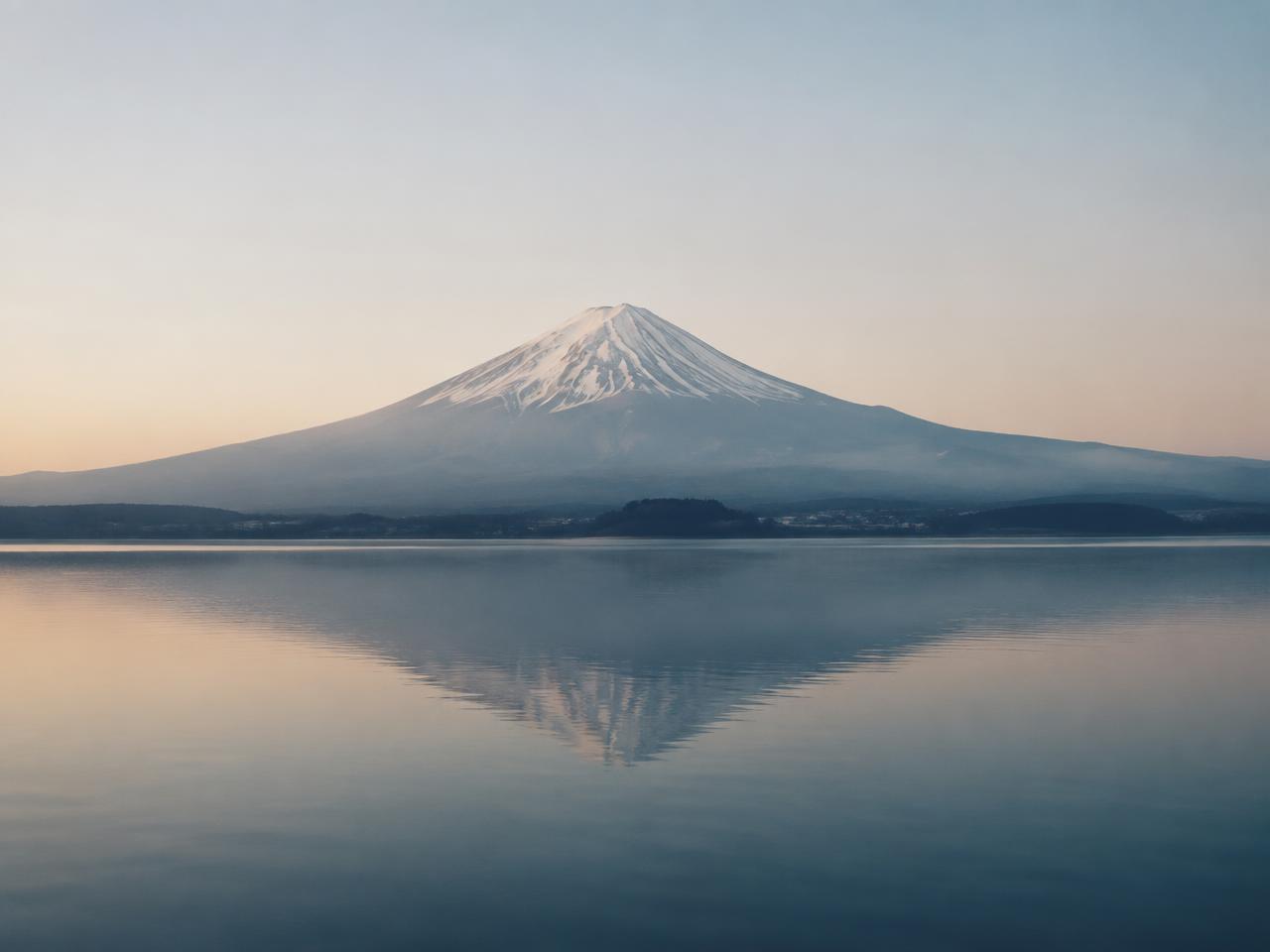
Spring and autumn offer the most comfortable weather and the heaviest crowds. Winter is dry, clear and quiet, with the best chance of seeing Mount Fuji. Summer is hot and humid, with a rainy season in early summer across most of the country.
Avoid the domestic holiday weeks unless you have no choice: the New Year period, the late-April to early-May run of public holidays, and the mid-August travel week. Trains and hotels fill nationwide.
How long to stay
- Under 7 days: choose a single region. Tokyo, or Kyoto and Osaka together.
- 10 days: the classic Tokyo–Kyoto–Osaka route with a day trip or two.
- 14 days: the same route with room for the mountains, Hiroshima and unscheduled time.
Getting around
Japan runs on rail. Long distances are covered by shinkansen, cities by subway and local lines, and almost every turnstile in the country opens with an IC card. Whether a nationwide rail pass saves money depends entirely on your route — the arithmetic is straightforward once you know your legs.
Money and payments
Cards are accepted in most hotels, chains and department stores. Smaller restaurants, shrines, markets and rural areas often remain cash-only, so carry a reserve. Convenience-store ATMs accept foreign cards reliably.
Staying connected
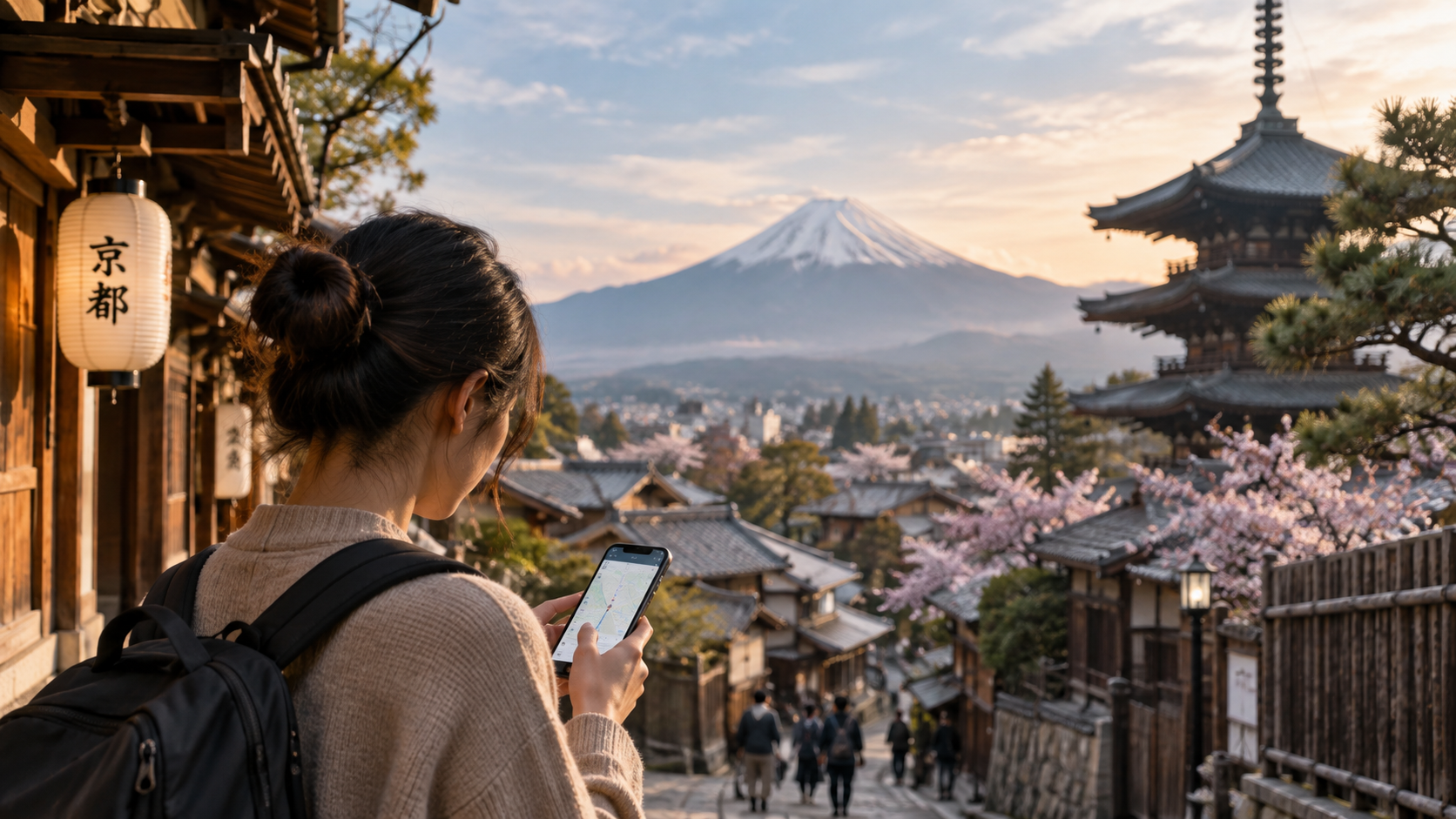
An eSIM activated before departure is the simplest option: you land with data and can use maps and transit apps immediately. Pocket Wi-Fi still makes sense for groups sharing one connection.
Etiquette that matters
- Keep phone calls off trains and voices low in shared spaces.
- Remove shoes where there is a step up or a rack of slippers.
- Don't tip — good service is standard and tipping causes confusion.
- Queue as marked on platforms; it genuinely works.
- Take rubbish with you. Public bins are rare.
How to structure the trip
Book accommodation first, then long-distance travel, then the handful of experiences with limited capacity. Leave everything else loose. Japan is a country where wandering pays off, and the tightest itineraries produce the least memorable trips.