What the pass is
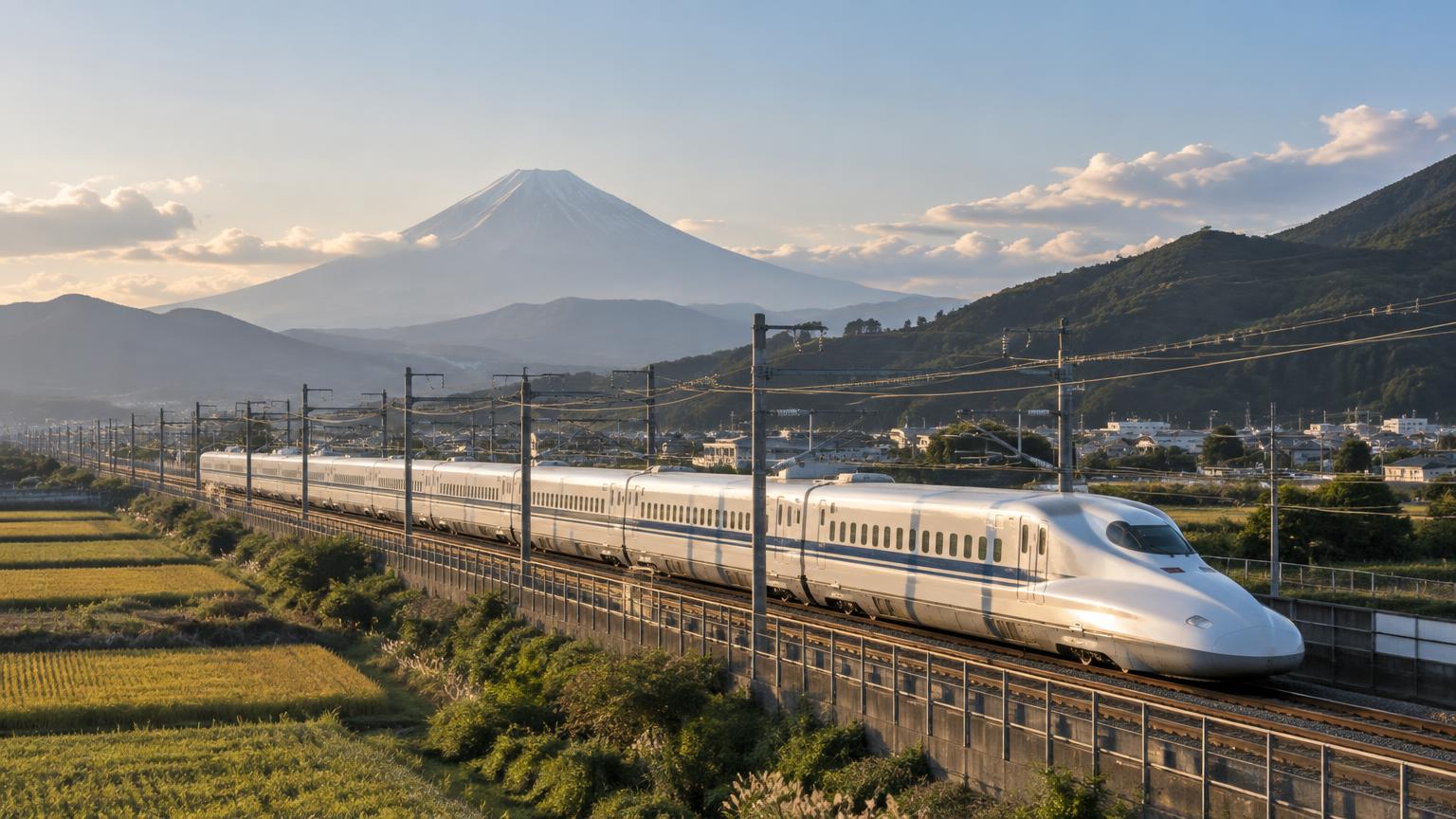
The Japan Rail Pass is a fixed-period ticket covering most services run by the JR group: shinkansen (with some exceptions for the fastest services), limited express, local trains, a handful of buses and the ferry to Miyajima. It does not cover private railways, subways or city metros, which is where a lot of daily travel actually happens.
When it pays off
- You are covering long distances in both directions within the pass period.
- Your route includes several separate intercity legs rather than one.
- You are travelling to the far west or north and back.
A Tokyo-based week with day trips almost never justifies it. A one-way Tokyo–Kyoto–Osaka trip usually doesn't either. A two-week loop that reaches Hiroshima and returns often does.
Regional passes
Regional passes are frequently the better answer: Kansai, Hokuriku, Tōhoku, Kyushu and the Fuji area all have their own versions covering the trains you would use anyway, at a fraction of the nationwide price.
Seats and luggage
Reserve seats for long legs, especially with large suitcases — oversized baggage space on the main shinkansen routes must be reserved in advance. Reservations are free or inexpensive with most tickets and passes.
Practical notes
- Passes run for consecutive days from activation, not calendar days of use.
- Local commuter lines in Tokyo and Osaka are largely non-JR — keep an IC card topped up regardless.
- Check whether your specific shinkansen service is included before boarding the fastest trains.