Transport
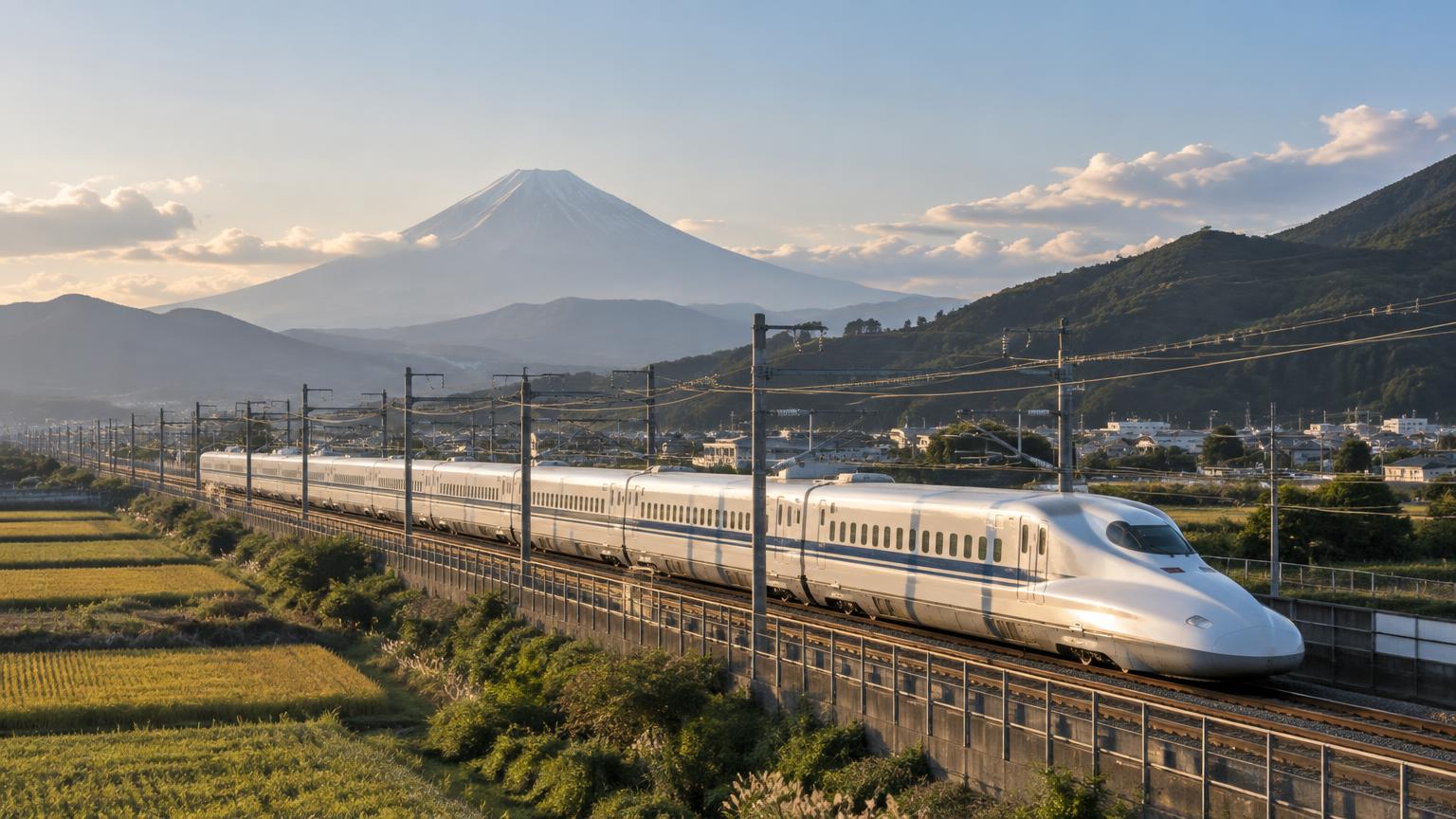
Japan Rail Pass: Is It Worth It for Tourists?
Is the Japan Rail Pass still worth it for tourists? This 2026 guide breaks down who saves, who doesn't, and how to decide using current prices and rules, with no guesswork.
Read more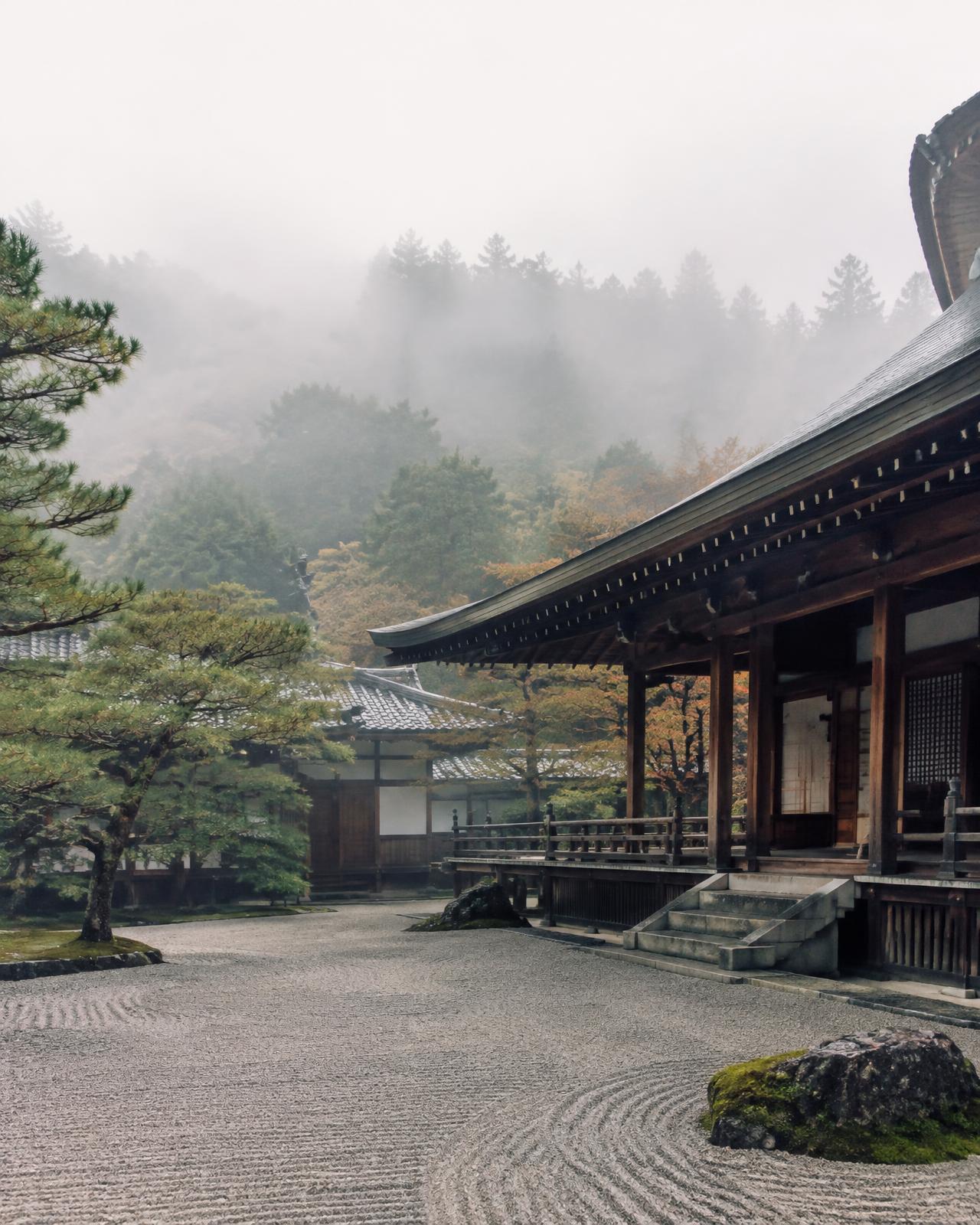
Kansai
Temples, tea houses and cedar hills. Slow mornings and a city that rewards walking without a plan.
Introduction
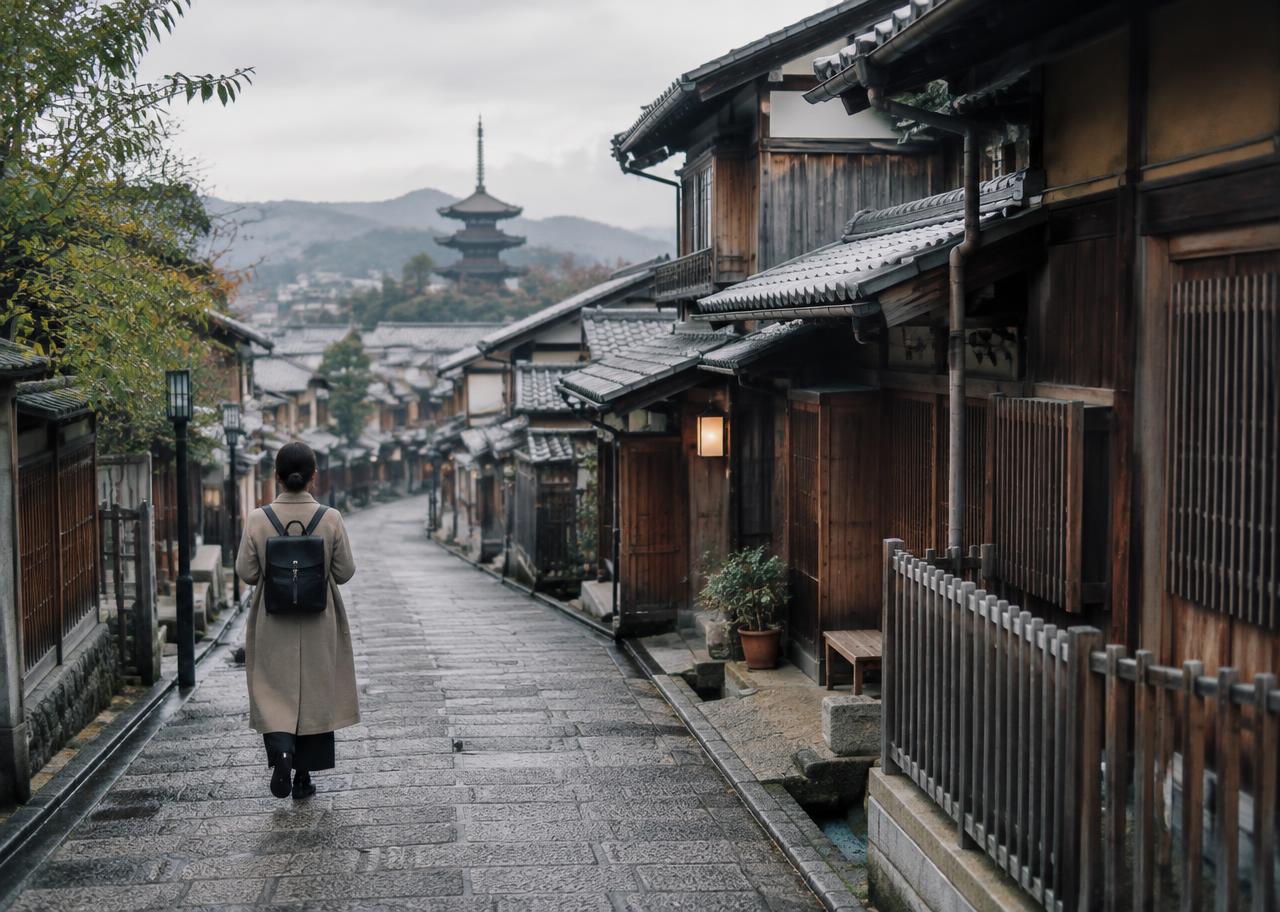
Kyoto asks for a different rhythm. The city's best hours are early and late, when the temple gates open onto empty gravel and the lanes of Gion belong to the people who live in them.
Treat it as a walking city with hills at the edges. Two districts a day is plenty, and the space between them — a canal path, a covered market, a neighbourhood coffee shop — is frequently the part you remember.
Mia Fournier · Updated 20 August 2026
Why visit
Temples, gardens, craft workshops and wooden townhouses sit within a compact, walkable grid.
Few cities change character as completely between cherry blossom, deep summer green and autumn colour.
Kaiseki, tofu cuisine, market stalls and tea houses that have been refining one thing for generations.
Neighbourhoods
Things to do
Fushimi Inari and Kiyomizu-dera are transformed by an early start; the difference is not subtle.
Choose a single temple garden and stay an hour rather than photographing six in a morning.
Canal-side, shaded and linking a chain of quieter temples in the north-east.
Ceramics, indigo dyeing and tea ceremony are genuinely absorbing when the group is small.
Forty minutes each way for Tōdai-ji and the deer park.
Stay
Editorial guidance only. We don't publish prices, ratings or availability.
Eat
Transport
Plan
Insider tips
Reading
Is the Japan Rail Pass still worth it for tourists? This 2026 guide breaks down who saves, who doesn't, and how to decide using current prices and rules, with no guesswork.
Read more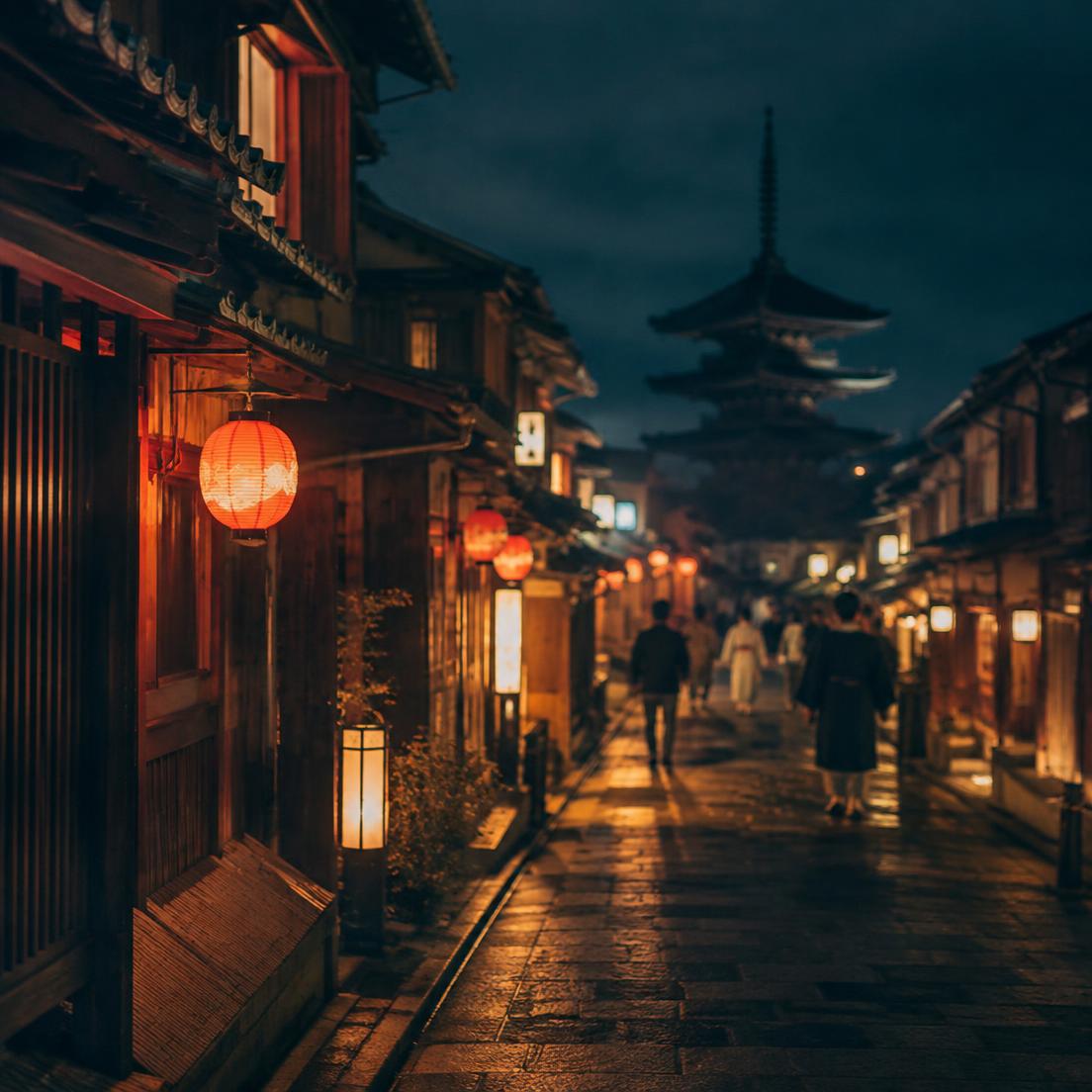
The city empties at dusk. A walking route through lantern-lit lanes once the tour buses leave.
Read more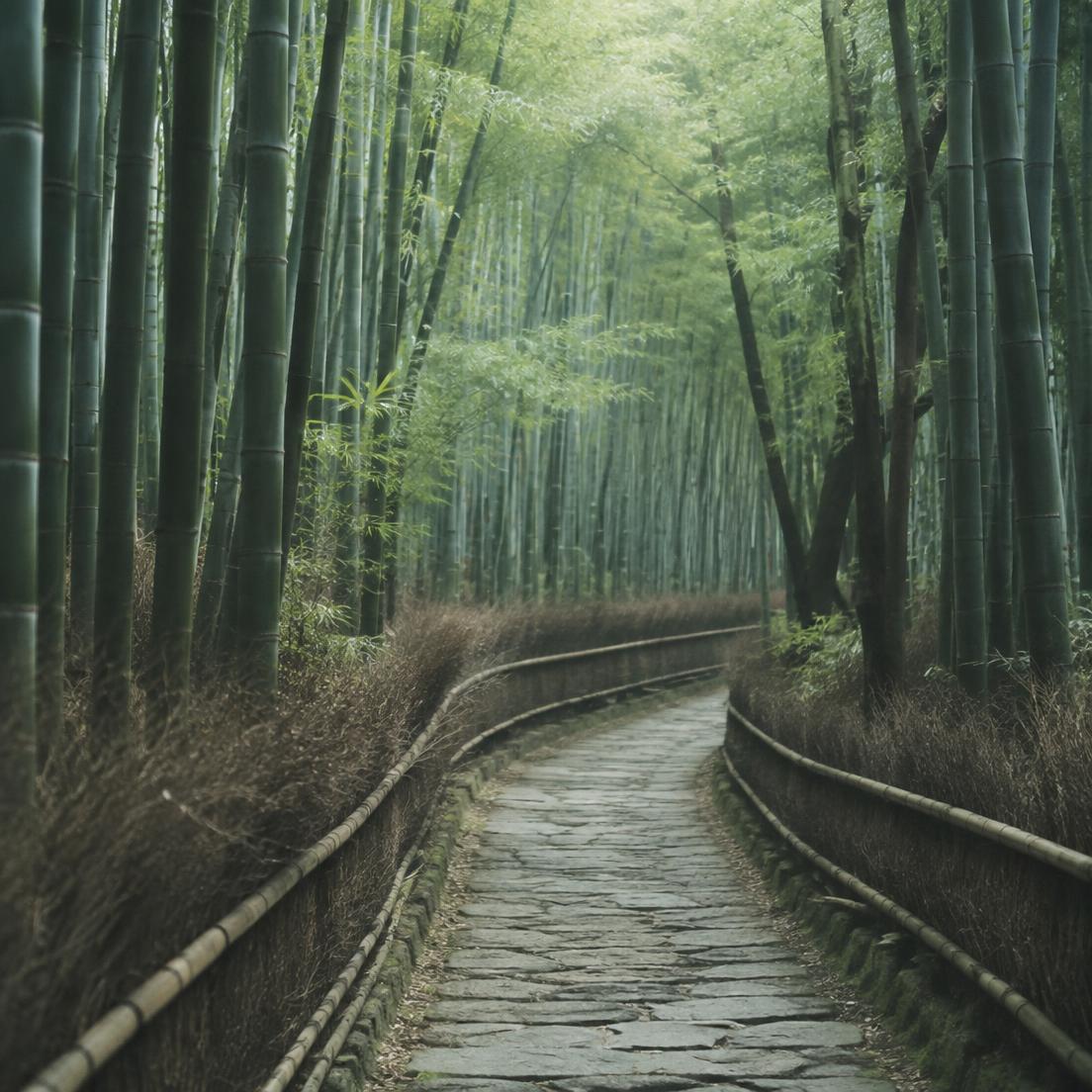
A short list of the things that genuinely sell out — and the ones you can safely decide on later.
Read moreKeep going
The classic route, paced properly. Three cities, one rail line and enough room to keep evenings unplanned.
Read moreTemples, craft, tea and the hours of the day when Kyoto is at its best.
Read more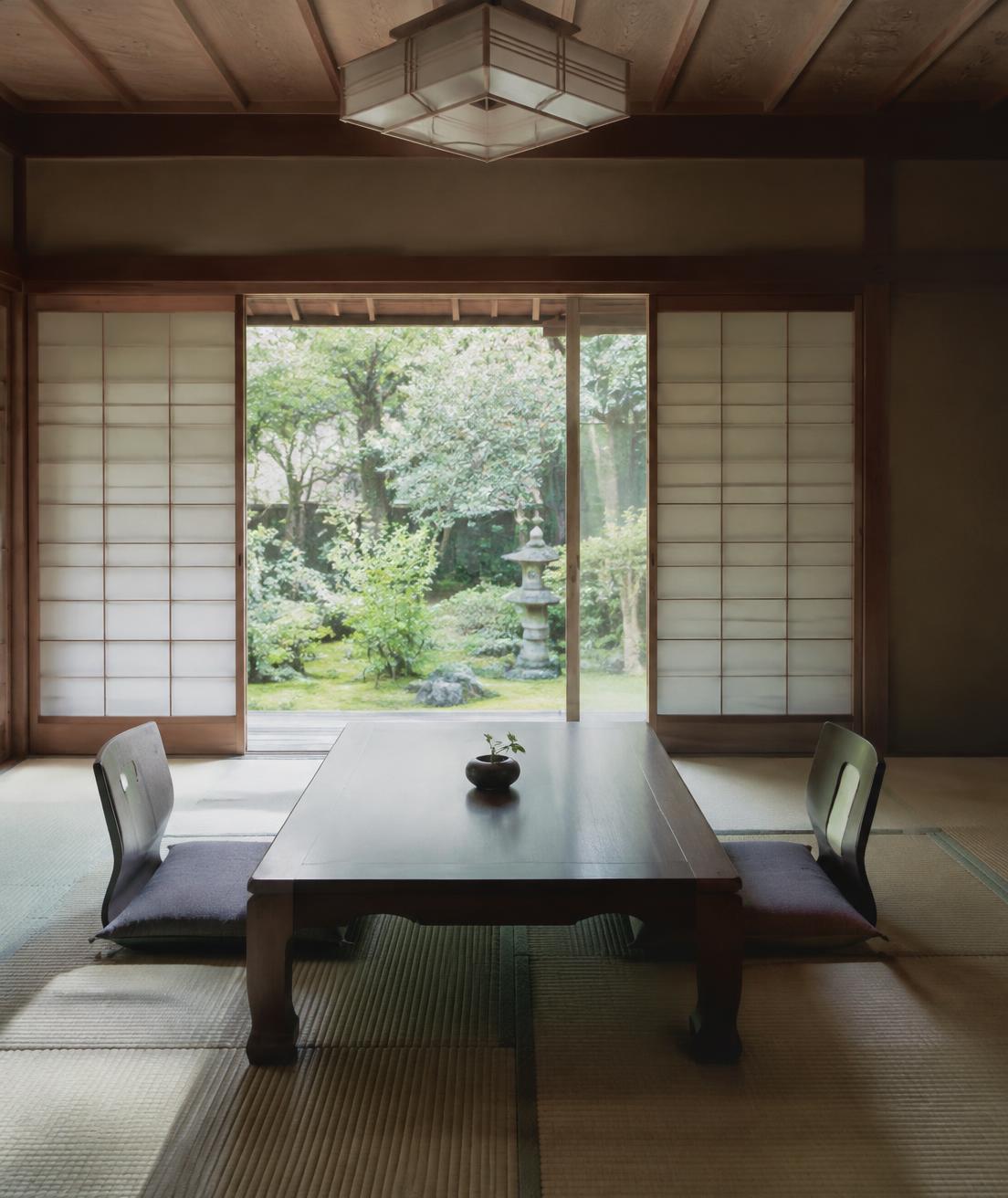
Traditional ryokan, machiya townhouses and the districts worth paying more for.
Read moreThe Sakura Insider Letter
New guides, smart itineraries, hidden gems and Japan travel deals — without the noise.