Kansai
Kyoto
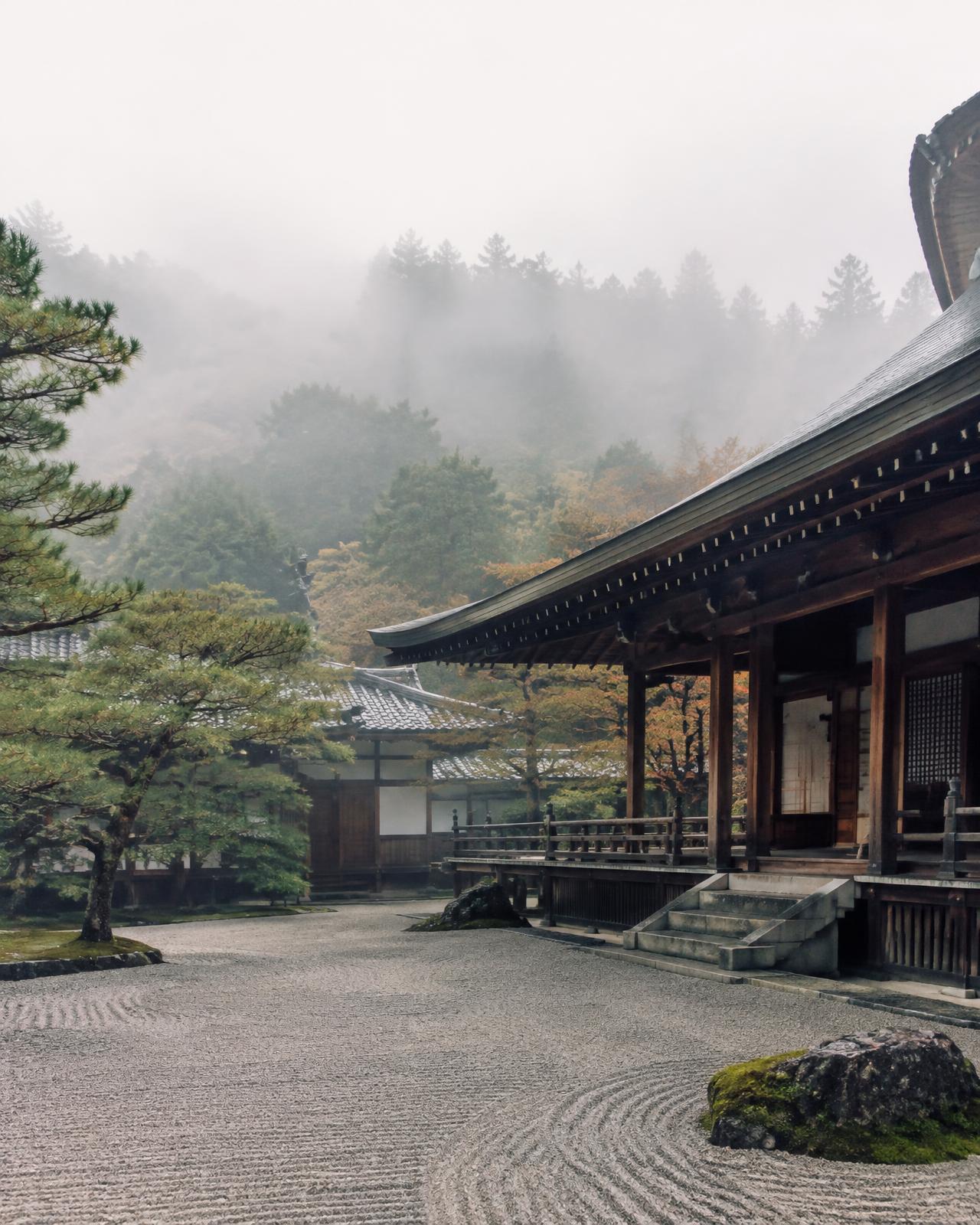
Temples, tea houses and cedar hills. Slow mornings and a city that rewards walking without a plan.
Read more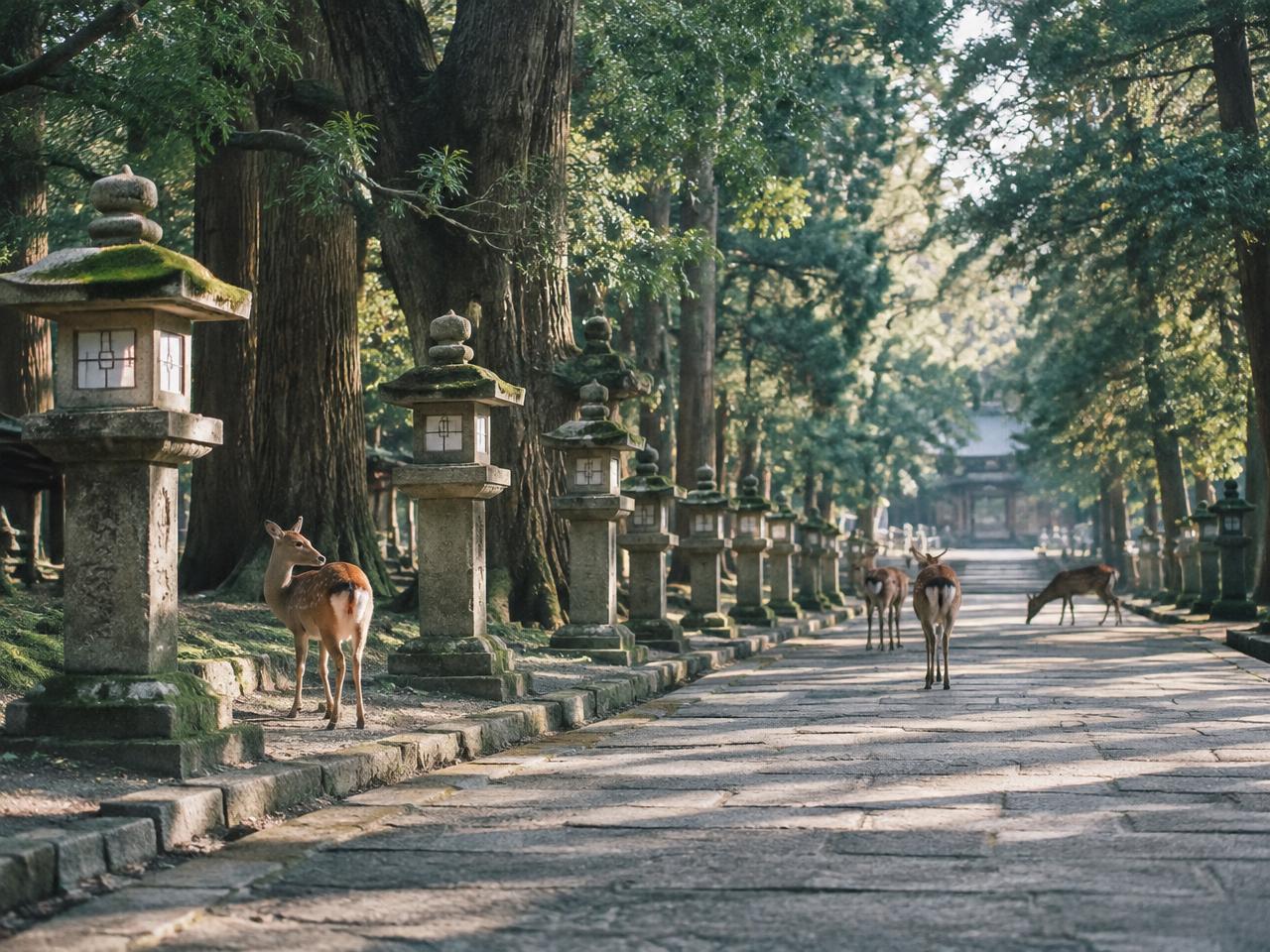
Kansai
Ancient capital, vast parkland and Japan's oldest wooden halls.
Introduction
Nara was Japan's capital before Kyoto, and the scale of what remains is startling: enormous wooden halls, a bronze Buddha the size of a building, and a park that runs from the station to the foot of the hills.
Almost everyone comes for a few midday hours. Arrive early, or stay the night, and you get the same sights with a fraction of the company.
Mia Fournier · Updated 26 March 2026
Why visit
One of the largest wooden structures in the world, housing the Great Buddha.
Free-roaming deer, lantern-lined paths and space that makes the day feel unhurried.
Merchant lanes of dark-timber houses, small museums and quiet cafés.
Neighbourhoods
Things to do
The hall is calm for the first hour of the day.
Stone lanterns through cedar forest, then on to the Wakakusa hillside.
A paid garden and a free one, both worth a slow half hour.
Kakinoha-zushi and small kissaten away from the park crowds.
Stay
Editorial guidance only. We don't publish prices, ratings or availability.
Eat
Transport
Plan
Insider tips
Keep going
Temples, tea houses and cedar hills. Slow mornings and a city that rewards walking without a plan.
Read more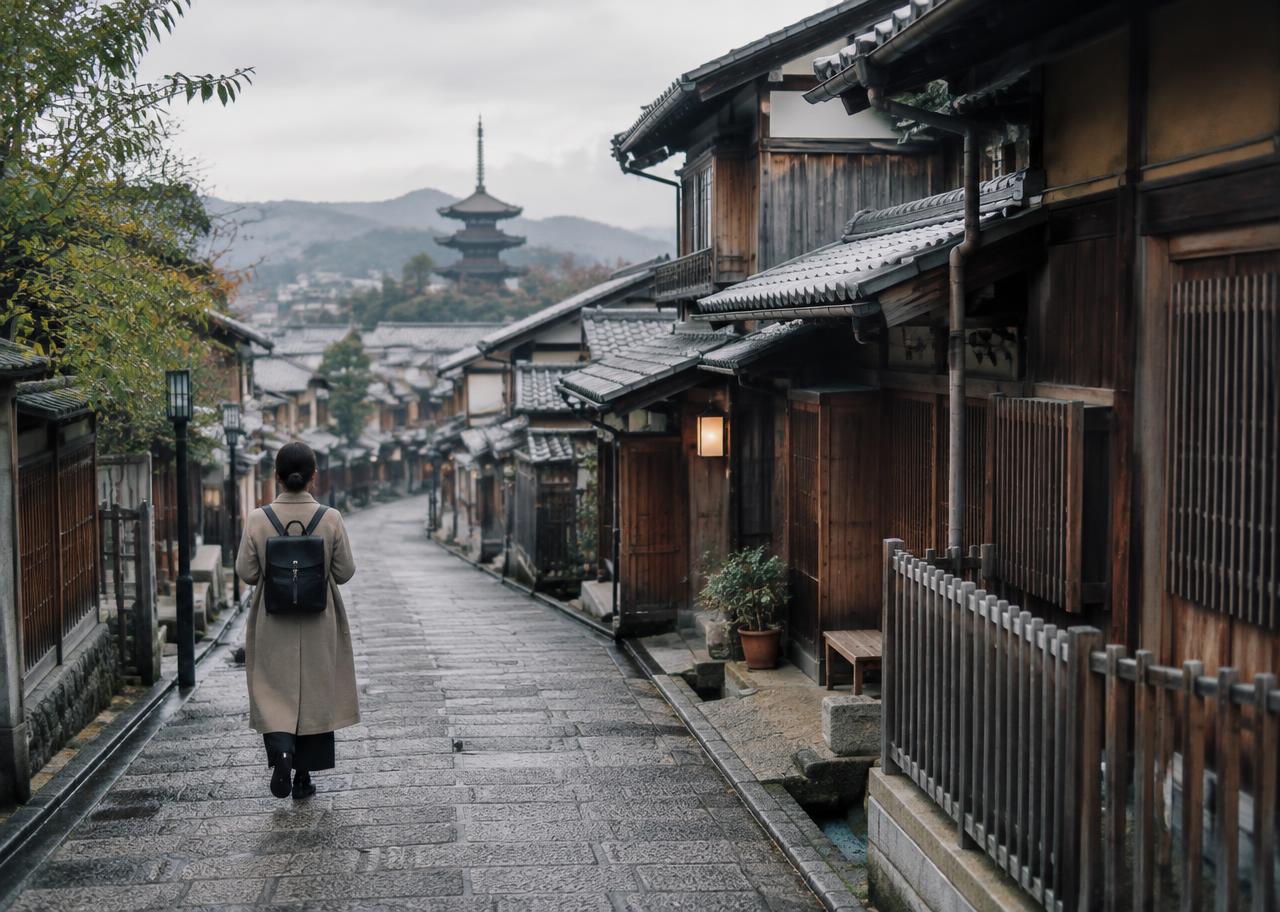
The classic route, paced properly. Three cities, one rail line and enough room to keep evenings unplanned.
Read more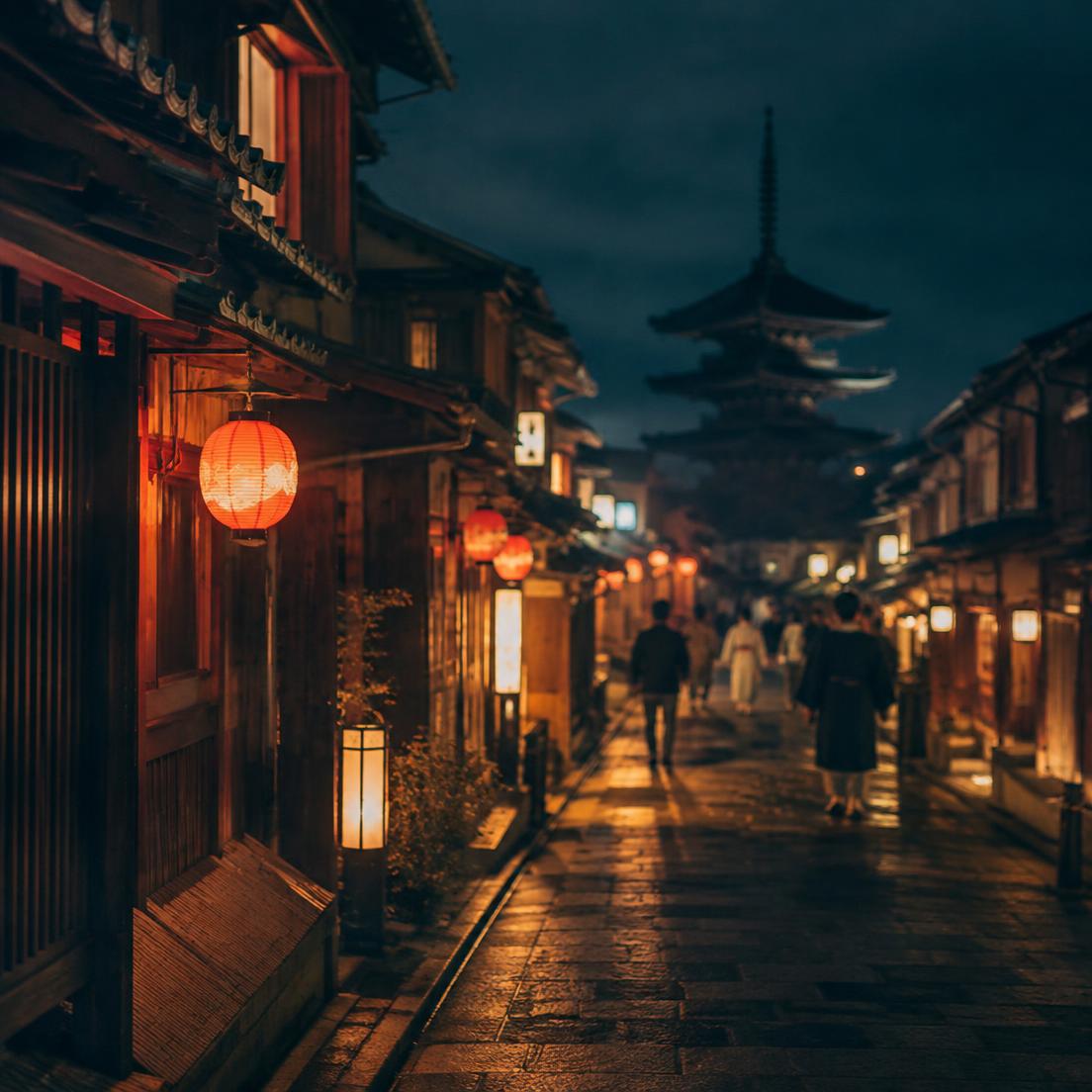
Shrines, craft, etiquette and the traditions that still shape daily life.
Read moreThe Sakura Insider Letter
New guides, smart itineraries, hidden gems and Japan travel deals — without the noise.