
A city-only itinerary through Japan is a good trip with something missing. One or two nights outside is usually all it takes to correct it.
Hakone
Choose Hakone when you want a varied mountain break rather than a trip built entirely around seeing Fuji. A museum, a lakeside visit and a bath can form a satisfying stay without completing every part of a transport loop. Start from your accommodation and the connections actually running that day, not a checklist of vehicles.
A day trip from Tokyo needs a shorter wish list than an overnight stay. An overnight gives you room for a ryokan dinner and a quieter morning, provided the property's check-in and meal times work with your arrival. The seven-day itinerary shows one way to fit this break around Tokyo.
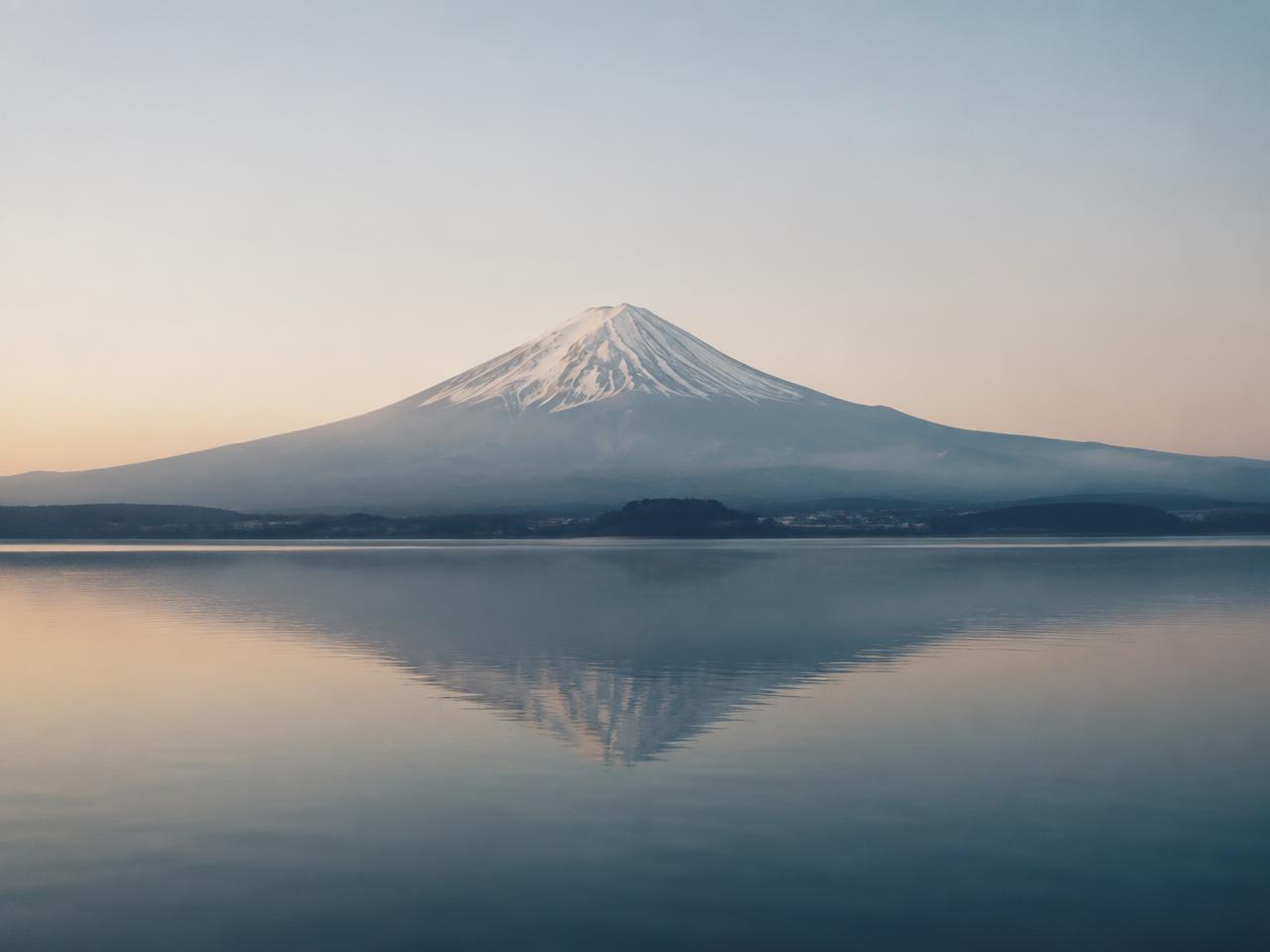
The Fuji Five Lakes
Choose the Fuji Five Lakes when the mountain and lakeside views are the reason for leaving the city. Kawaguchiko can be a practical base, but a room advertised with a view is not a promise of clear weather. Leave a flexible morning and choose another nearby activity you would enjoy under cloud.
Do not combine the lakes and Hakone merely because both appear on a map near Fuji: transferring between them uses part of a travel day. Our Mount Fuji destination guide introduces the region; use it to decide which base belongs in your route.
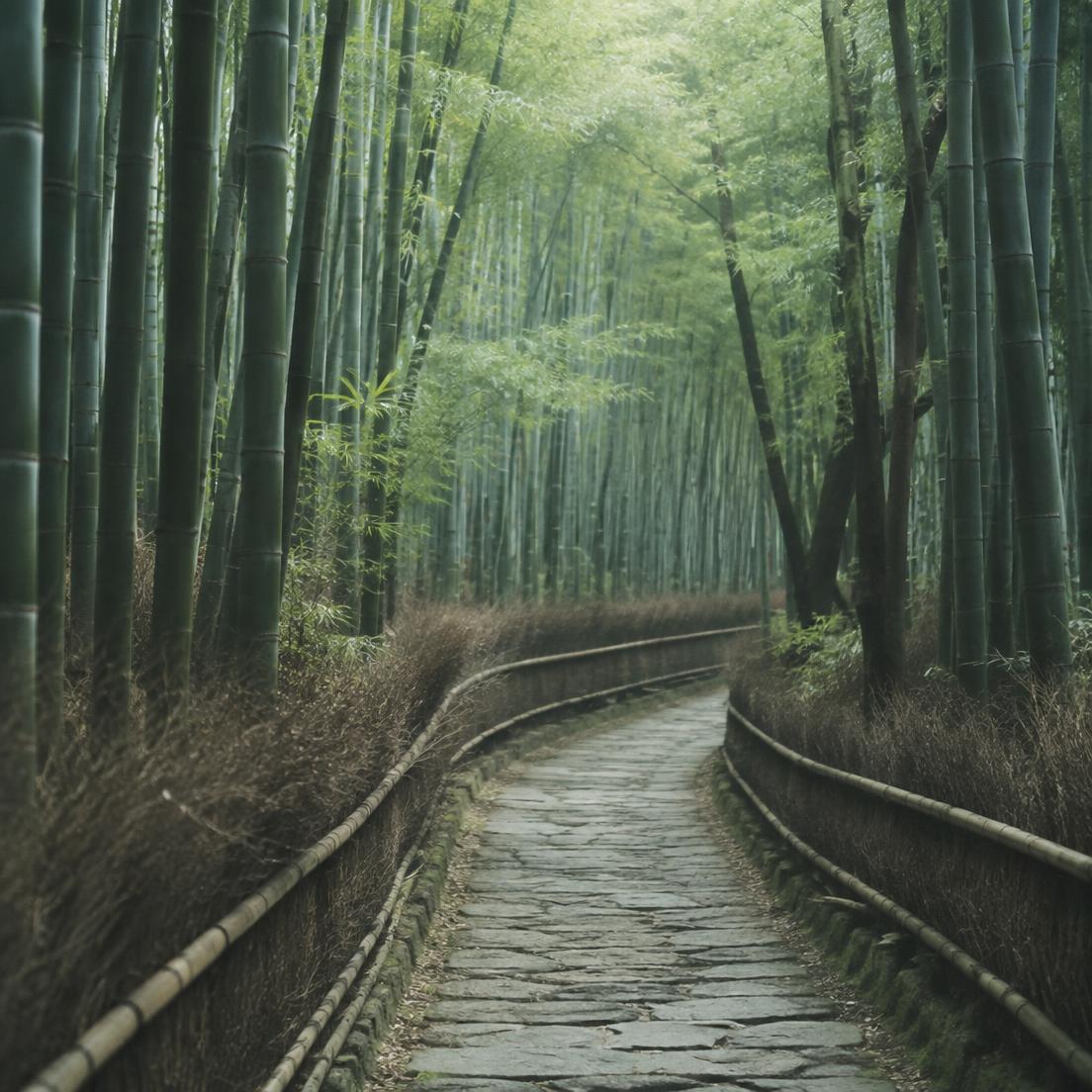
Northern Kyoto
Kurama and Kibune offer a forest-and-river outing while keeping Kyoto as your base. Distinguish visiting the settlements from walking the mountain trail between them. Check transport, trail access and weather before setting out; a path is not automatically suitable for every visitor or open in every season.
Allow for the connection from your own neighbourhood and the return journey, rather than relying on one headline travel time. If conditions are unsuitable, choose a shorter local visit or a garden in the city instead of pressing on with a walk.
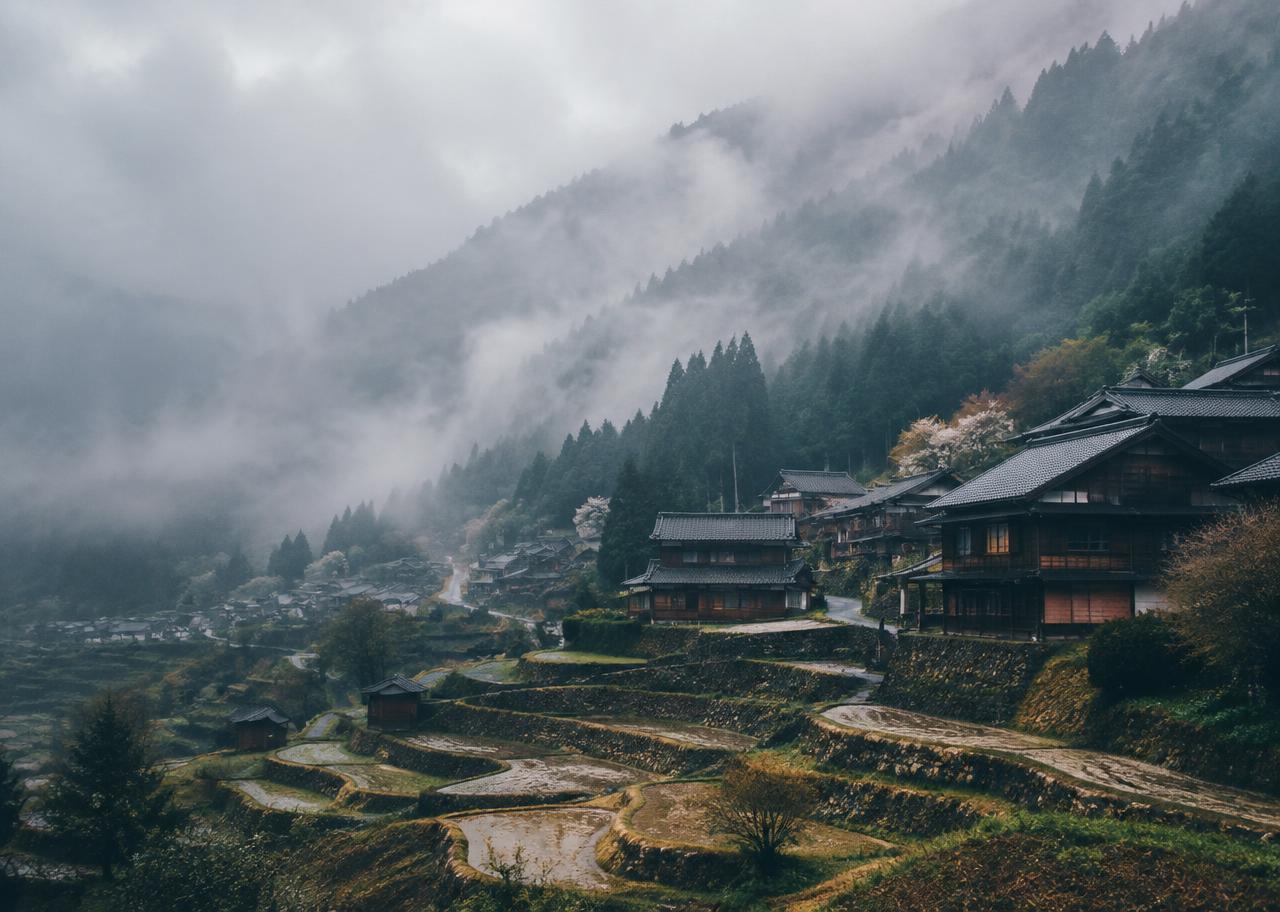
The Kiso valley
The Kiso valley suits travellers who want historic post towns and time on foot along the old Nakasendo route. It is a separate stop to plan, not a quick pause on every Tokyo-Kyoto train journey. Choose your walking section, access station and onward connection before booking a night.
Account for uneven ground, your luggage and the last useful local connection. If you only have the classic ten days in Japan, replace an existing outing rather than adding another long transfer. A fourteen-day route gives more room, but still needs a deliberate trade-off.
Choose one escape, not four extra stops
- For mountain transport, art and a thermal stay, consider Hakone.
- For lakes and the chance of Fuji views, consider the Fuji Five Lakes.
- For a forest outing without changing your Kyoto hotel, consider northern Kyoto.
- For post towns and a walking-focused stop, consider the Kiso valley if you can allocate the travel time.
Weather, walking and access
Mountain conditions can differ from the city you leave. Check the forecast, daylight, operating notices and the specific trail before departure. Allow an indoor or shorter alternative in rain, heat or winter conditions. A lakeside town reached by public transport does not mean every viewpoint or walking route is step-free; check the precise access needed by your party.
Use the seasonal planning guide to choose the travel window, then check local conditions close to the date. Send larger bags ahead only after both accommodations confirm the arrangements: our luggage-forwarding guide covers the practical steps.
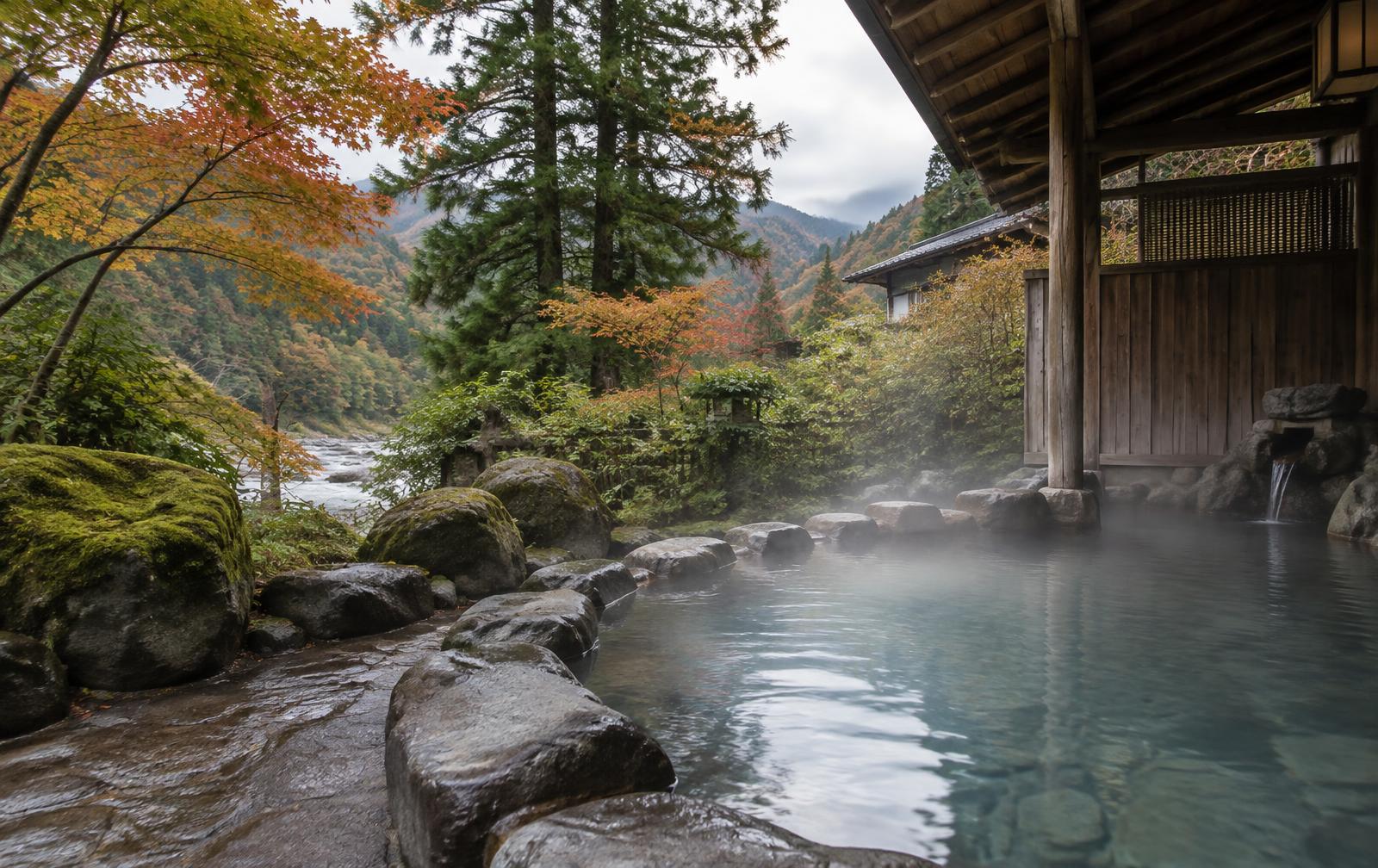
Make the bath part of the stay, not an assumption
A thermal-town stay does not guarantee that every room includes a bath or that every bath is private. Ask what access is included, whether reservations are needed and which rules apply to tattoos. A private bath may suit travellers who prefer privacy, but its admission conditions still belong to the property.
Wash before soaking, keep towels and hair out of the shared water and do not photograph bathers. Follow the facility's rules rather than a universal timetable. Our Japanese etiquette guide explains the basics without replacing the instructions at your accommodation.
Planning a nature and onsen break
Is one night worth it?
It can be, when the journey leaves time for the experience you want. Count the travel from your actual hotel and the next day's onward journey; a slower arrival and departure may matter more than adding another attraction.
Do I need a car?
Plan around the public-transport stops and walking distances for your chosen activities first. Do not assume a remote inn or trail is connected simply because the main town is. Check the final return service and ask the property about the last part of the journey.
What if Fuji is hidden by cloud?
Keep the lakeside walk, museum or bath you would enjoy without the view. If seeing the summit is the sole reason for the trip, avoid treating one tightly scheduled day as a guaranteed viewing opportunity.