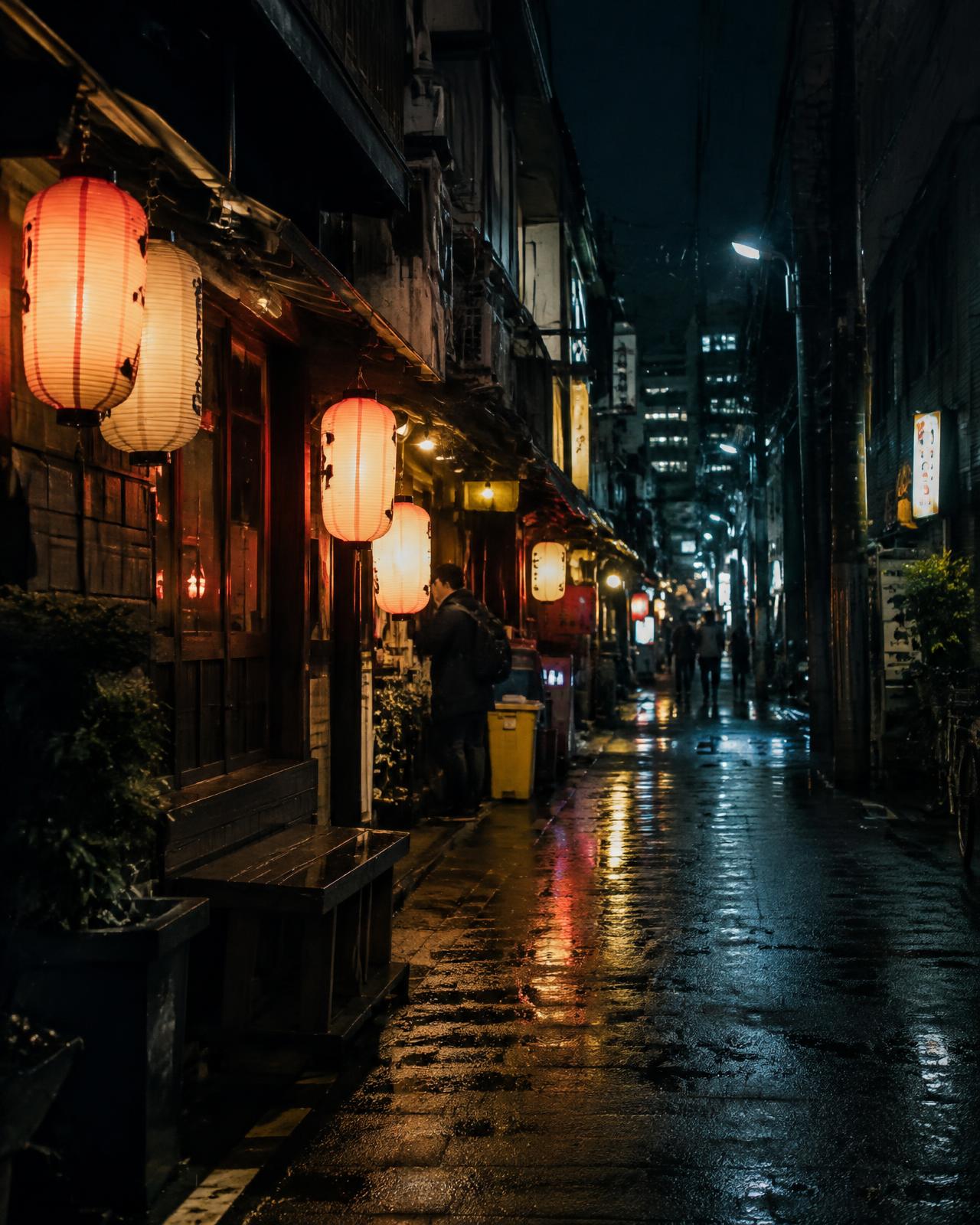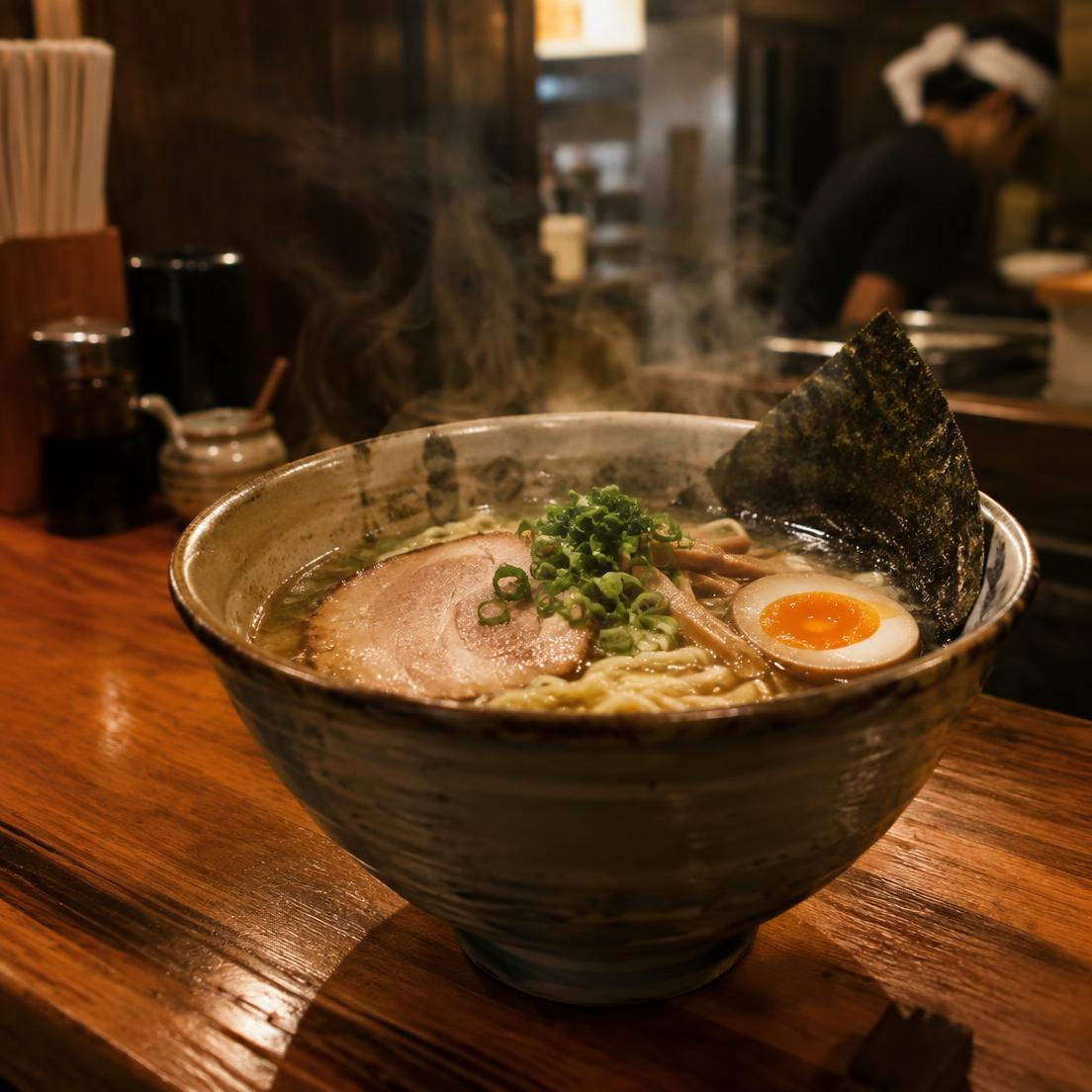
Tokyo has more ramen shops than anyone has counted properly. The useful skill is not a list of addresses but knowing how to read a shop from the doorway.
The ticket machine
Most shops take your order before you sit down, through a vending machine by the entrance. Insert cash, press the top-left button for the house bowl, take the ticket and hand it over at the counter. The top-left position is almost always the shop's signature.
Reading the queue
A line of people on their phones at 1pm on a Tuesday is a good sign. A line of people photographing the sign is a different signal. Queues move fast — a counter turns over in ten to fifteen minutes.
Styles worth knowing
- Shoyu: soy-based, clear, the Tokyo classic.
- Tonkotsu: pork bone, rich and opaque, originally from Kyushu.
- Miso: heavier and sweeter, a Hokkaido export.
- Tsukemen: noodles and broth served separately for dipping.
Where to look
Station backstreets beat main roads. Shinjuku, Ikebukuro and the area around Takadanobaba are dense with long-running shops, and any neighbourhood with an office population will have at least one that has been open for decades.